Can Microgreens Support Immunity Against Common Diseases?

A healthy immune system plays an important role in helping the body respond to everyday health challenges. Discover how nutrient-rich microgreens such as broccoli, radish, and amaranthus can support normal immune function and contribute to a balanced diet for everyday wellness.
Our immune system is working every day — protecting the body from infections and responding to a wide range of everyday health challenges. Common illnesses such as the common cold, seasonal flu and respiratory infections are a normal part of life. While no single food can prevent these diseases or make us immune to them, nutrition plays an important role in maintaining the normal functioning of the immune system.
Key takeaways: Different microgreen varieties provide naturally occurring vitamins, minerals, carotenoids and plant compounds that support a balanced diet. But microgreens are not a cure, treatment or prevention strategy for disease — they're one part of a broader nutritional picture.
What does "supporting immunity" actually mean?
The immune system depends on adequate nutrition to function normally. Several vitamins and minerals — including vitamins C and A — play important roles in immune function. This doesn't mean eating a particular food makes someone immune to infection. It means providing the body with a varied supply of essential nutrients helps create the nutritional foundation required for normal immune function. Microgreens can be one small but meaningful part of that larger picture.
The nutrients behind immune-supportive nutrition

Different microgreens contain different nutritional profiles — there isn't one "magic" microgreen for immunity.
| Nutrient | Why it matters | Microgreen examples |
|---|---|---|
| Vitamin C | Contributes to normal immune function and antioxidant protection | Broccoli and other nutrient-rich greens |
| Vitamin A / carotenoids | Plays an important role in immune function | Carotenoid-rich microgreens |
| Polyphenols | Plant compounds associated with antioxidant activity | Broccoli, amaranthus and other varieties |
| Glucosinolates | Plant compounds found in Brassica varieties | Broccoli, radish and related microgreens |
Three microgreens to explore

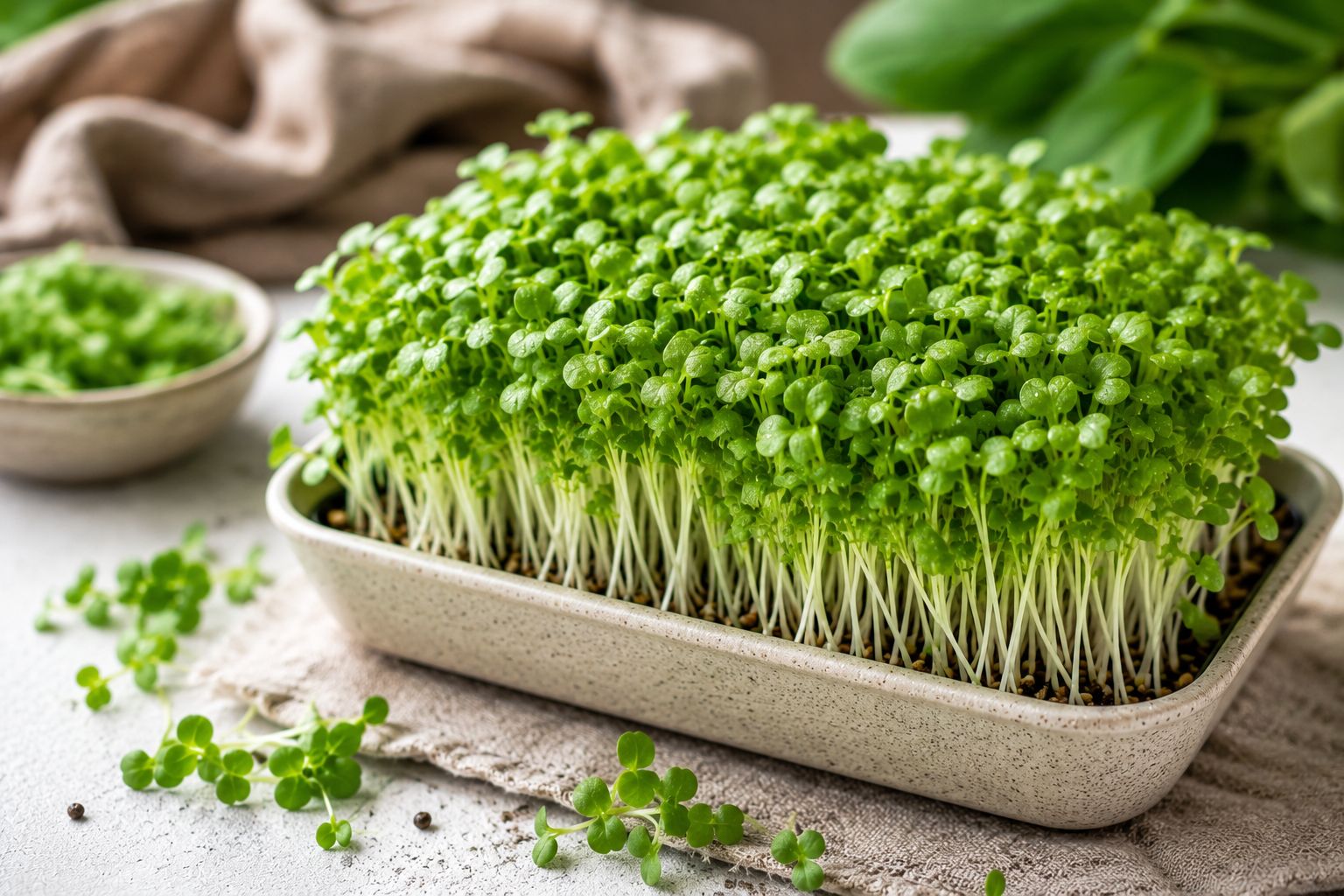
Broccoli microgreens contain glucosinolates, including glucoraphanin, which can contribute to sulforaphane formation. Mild, peppery flavor — works well in salads, wraps and grain bowls.
Radish microgreens are known for a distinctive peppery flavor, with notable levels of phytochemicals such as isothiocyanates. Great in salads, wraps, sandwiches and chaats.
Amaranthus microgreens bring vibrant color and a delicate texture, with notable antioxidant compounds. Best for salads, bowls and garnishing.
What about common diseases?
Common cold — caused by viruses and cannot be prevented simply by eating one particular food. A nutritious diet contributes to normal immune function; research on vitamin C shows regular supplementation doesn't generally prevent colds, though it may modestly reduce duration in some cases.
Seasonal flu — good nutrition, hydration, sleep, hygiene and appropriate medical care all play a role in maintaining health. Microgreens complement the nutritional side of a healthy lifestyle but are not a treatment for influenza.
Everyday respiratory infections — rather than searching for a single "immunity food," it's more useful to build consistent habits: varied nutrition, adequate sleep, physical activity, hydration, hygiene and appropriate healthcare.

How to add microgreens to your everyday meals
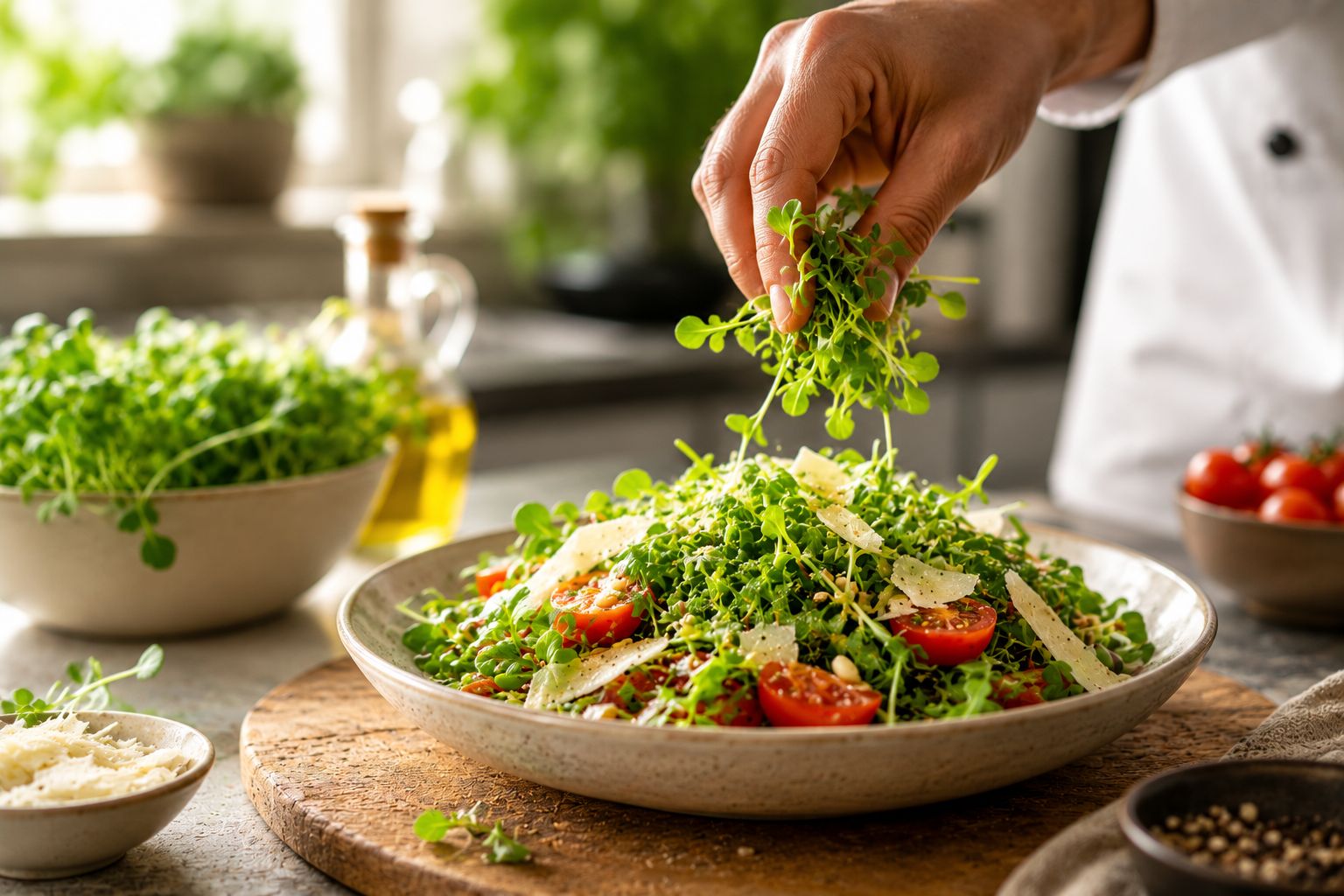
You don't need to completely change your diet to include microgreens. Add them to omelets or breakfast bowls in the morning, use them in salads and wraps at lunch, garnish dal, rice or chaats with them for an Indian-style meal, or blend suitable varieties into a smoothie.
Why controlled growing matters
Nutrition is only one part of the story — the way food is grown matters too. Microgreens are particularly well suited to controlled-environment agriculture, where temperature, humidity, airflow, water and light can be carefully managed. At Praroha Greens, controlled cultivation is part of our approach to growing microgreens with consistency and care — creating a reliable way of producing fresh, nutrient-rich microgreens closer to the people who eat them.

Frequently asked questions
Can microgreens cure or prevent the common cold? No. No single food can prevent a viral infection. Microgreens can be part of a nutrient-rich diet, but they aren't a cold remedy.
Can microgreens replace medical treatment? No. At Praroha Greens, we see microgreens as a nutrient-rich food that complements a healthy lifestyle — never a replacement for medical treatment.
Which microgreen is best for immunity? There isn't one "best" variety. Different microgreens offer different combinations of vitamins, minerals and plant compounds, so dietary variety matters more than picking a single "superfood."
Not a miracle food, but a small, nutritious addition to a healthier way of eating. Broccoli, radish, amaranthus and other microgreens can bring different flavors, colors and plant-based nutrients to your plate while making everyday meals more interesting.