Are Microgreens Better Than Vegetables? A Complete Comparison Guide
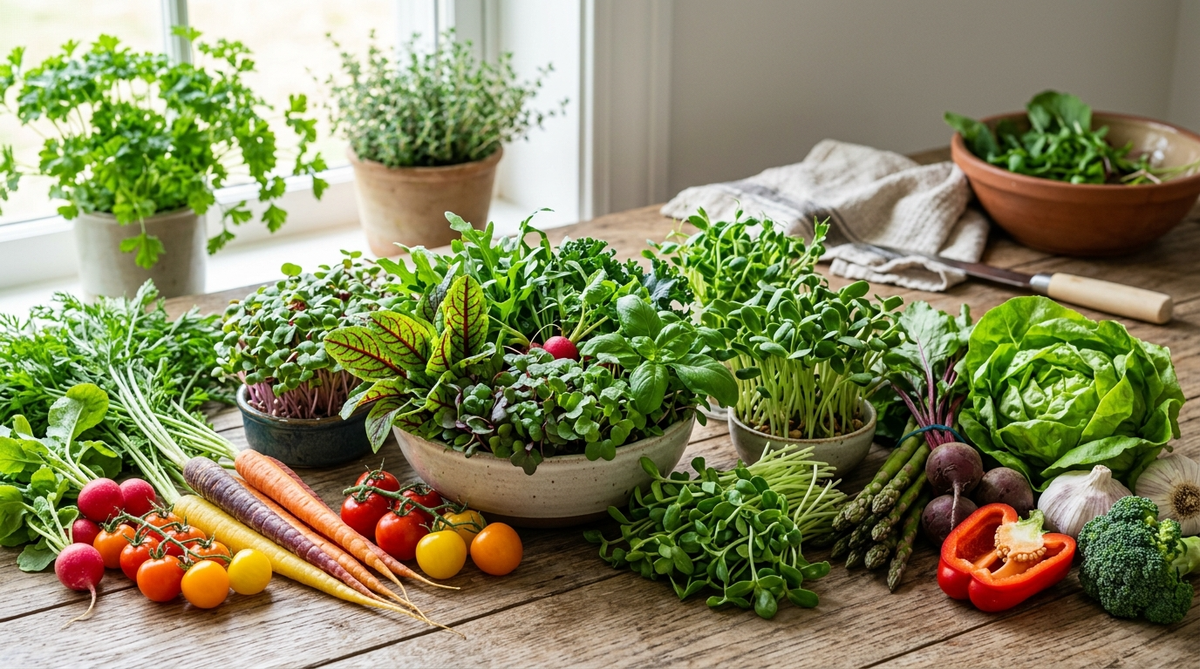
Microgreens vs mature vegetables — which is healthier? Discover the nutritional differences and how to include both in your diet effectively.
As microgreens gain popularity in modern diets, a common question arises—are microgreens actually better than fully grown vegetables?
The answer isn’t about replacement, but nutritional concentration and smart inclusion.
Nutrient Density: Microgreens vs Vegetables
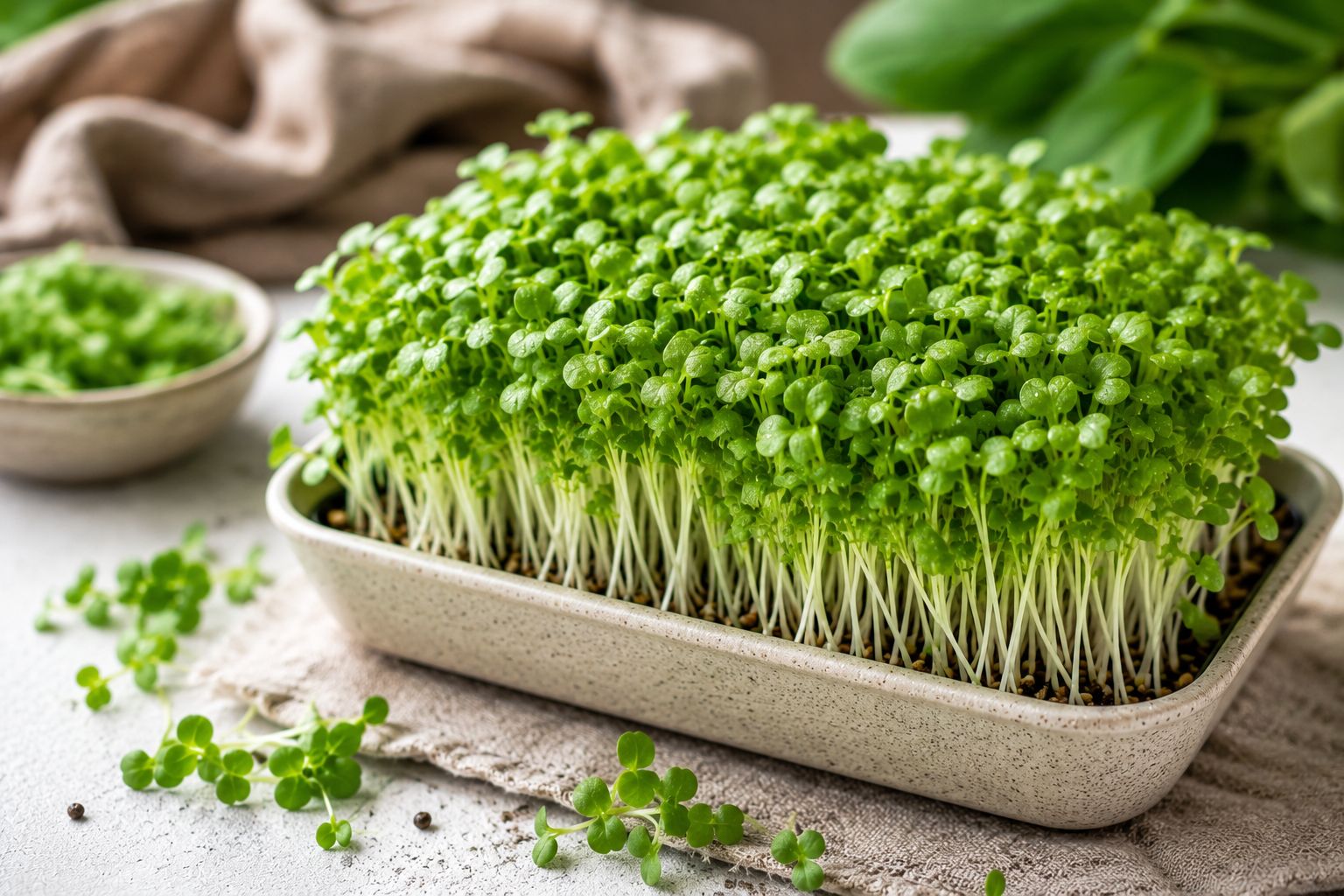
Microgreens are harvested at an early stage of growth, typically within 7–14 days. At this stage, plants contain highly concentrated levels of vitamins, minerals, and antioxidants.
Research indicates that microgreens can contain significantly higher nutrient levels compared to their mature counterparts. For example: • Broccoli microgreens – High in sulforaphane (detox support) • Radish microgreens – Rich in vitamin C and antioxidants • Sunflower microgreens – Excellent source of protein and healthy fats
Mature vegetables, on the other hand, provide fiber, bulk, and sustained nutrition, making them essential for a balanced diet.
Bioavailability & Absorption
Microgreens are often easier to digest due to their tender structure. This can improve nutrient absorption, especially for individuals with sensitive digestion.
However, mature vegetables contribute more to gut health and satiety, thanks to their higher fiber content.
Taste, Usage & Practicality
Microgreens are versatile and can be consumed raw, making them perfect for: • Salads and bowls • Smoothies and juices • Garnishes for Indian dishes
Vegetables are more suited for cooked meals, forming the base of traditional diets.
So, Which One Should You Choose?
The ideal approach is combination, not comparison.
Use vegetables for volume and sustenance. Use microgreens for nutritional enhancement and functional benefits.
How to Add Microgreens to Your Daily Diet
• Add a handful to your lunch or dinner • Use as a topping on dal, sabzi, or roti wraps • Blend into smoothies for a nutrient boost • Include in breakfast dishes like poha or omelettes
Final Insight
Microgreens are not a replacement for vegetables—they are a powerful upgrade.
By combining both, you create a diet that is not only balanced but also optimized for modern health needs.